
THERE is no clear indication of Gwent Police’s future following the announcement of what’s been dubbed the biggest reform of policing in 60 years.
Instead there will be a smaller number of regional forces responsible for specialist investigations such as rape and murder which within them will have “smaller” local policing areas to concentrate on crimes such as burglaries, shoplifting and anti-social behaviour.
No details of how new forces will be formed or which forces could be merged together were announced but the Labour MP highlighted some have “just 1,000 officers others over 8,000.”
.png?width=209&height=140&crop=209:145,smart&quality=75)


Figures from March last year show Gwent Police, which is the smallest force by geography in Wales, had 1,549 officers which was 258 more than Dyfed-Powys the largest policing area in England Wales but the smallest force by number of officers in Wales.
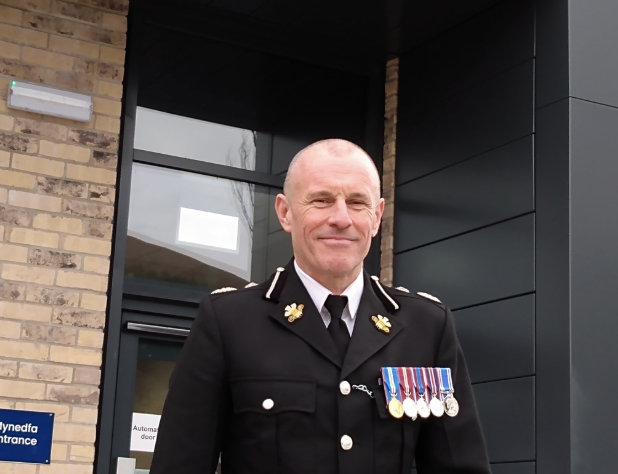
Following the Home Secretary’s announcement in the House of Commons Gwent Police Chief Constable Mark Hobrough said he was committed to working with the three other Welsh Chief Constables to “deliver the best possible service to all in Wales”.
Gwent’s Police and Crime Commissioner Jane Mudd, who learned in November her position as the local police watchdog is to be scrapped, said she and her three counterparts in Wales will play “a full and meaningful role in designing future arrangements for Wales”.
Gwent Chief Constable Mr Hobrough acknowledged challenges facing police as outlined by Ms Mahmood who said the creation of a national police service will protect neighbourhood policing.
He said: “Crime is changing, technology is evolving, and we need to be set up in the best possible way to fight crime in the modern world, relentlessly focused on good quality neighbourhood policing alongside national threats.
Ms Mudd, who was elected police and crime commissioner as a Labour candidate in 2024, said she recognised the need to reform policing but “it is vital that they deliver for the people and communities of Wales”.
She also said differences in how police operate in Wales should be recognised: “Policing in Wales operates within a distinct public service landscape, shaped by close partnerships with Welsh Government, local authorities, health services, and our other partners.
“As locally elected representatives, Welsh PCCs are committed to playing a full and meaningful role in designing future arrangements for Wales, ensuring continuity, stability, and democratic accountability during any transition.
“The UK Government must now demonstrate how the regional and structural change it is proposing would enhance local accountability and deliver the best possible service to our communities.”
Ms Mahmood was also asked by a Welsh Labour MP if politicians, local government and the Welsh Government would be consulted on future accountability arrangements, to replace police and crime commissioners.
She confirmed the policing minister had met with the Welsh Government today and said the review will take account of existing devolution and local government arrangements.
Comments
This article has no comments yet. Be the first to leave a comment.