
The Beacon has questioned each party on the key issues facing the county.
Their responses will be featured here over the coming weeks.
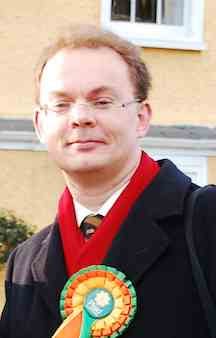
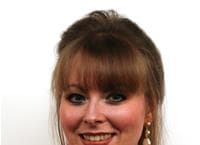
This week, we hear from Liberal Democrat candidate Veronica German, and Plaid Cymru candidate, Jonathan Clark.
We asked each party:



1. Where do you live? If you live locally, how long have you been here?
2. What experience do you have in politics?
3. Why are you standing for the Monmouthshire seat?
4. What do you think is the greatest issue facing your prospective constituents, and how would you tackle this?
Key issues:
5. What steps would you take to address problems experienced locally with cross-border healthcare and ambulance response times?
6. What steps would you take to combat crime and
specifically, recent increases in burglaries across the county?
7. How do you plan to work effectively with residents of varying ages?
8. How do you intend to support the agricultural community?
9. How will you support small, independent, local businesses?
Veronica German: Welsh Liberal Democrats
I HAVE lived in Llanfrechfa in the southern end of the constituency in Torfaen for nine years and within a few miles of this for more than 30 years.
I have been campaigning in this area for over 30 years and have been a Torfaen Borough Councillor and an Assembly Member for this region. I am standing in the Monmouth seat because I believe the people in this constituency want an MP who will continue to build a stronger economy by balancing the books, but do so fairly. Making sure that those with the broadest shoulders bear the biggest burden.
Our local economy is broadly based – but we have to ensure that government does all it can to support our local businesses and develop inward investment so that incomes rise and there are quality jobs and affordable housing available for our young people.
Addressing problems with cross-border healthcare and ambulance response times is all about putting the patient first – not bureaucracy. I want to see improved communication and protocols between the providers of healthcare on both sides of the border.
Our paramedics work incredibly hard under difficult circumstances, but they are hampered by lack of resources. The lack of beds for patients brought in by ambulance, due to delayed transfers of care, has a detrimental effect on the service. This is why an NHS Commission is needed in Wales.
The physical presence of police in local communities is the best deterrent we can have for protecting local communities. The structure of community based police and support officers should be strengthened and also seen as a means of career progression for our police service.
The Monmouth constituency has big variation – urban, rural and commuter communities and many isolated and dispersed communities. As a former National Assembly Member for the area I made sure that I understood the needs of each area. I enjoy talking to schools, and community groups of all kinds. Working effectively means listening first.
The agricultural community faces two major challenges among others, firstly the pressure on food prices from the supermarkets and secondly the potential impact on farm incomes from a withdrawal from the European Union. I will be a powerful advocate for fair prices from the supermarkets and a strengthened role for the supermarket ombudsman encompassing the whole food chain. I believe in reformed European Union and will campaign for change but also to ensure that the Common Agricultural Policy works for the benefit of Monmouth constituency farmers.
A complete review and quick reform of business rates, which stifle local enterprise, is needed here.
The Lib Dems will also scrap the tolls on the Severn Bridges – not just reduce them.
Jonathan Clark - Plaid Cymru
A former journalist, I lived and worked in London for seven and a half years for the Metropolitan Police Directorate of Public Affairs and work in IT at the University of South Wales.
My other interests include archaeology, history, hillwalking and Newport County AFC and the Newport Gwent Dragons.
I am married and live in Newport with my wife Maria. I contested the Monmouth Constituency at the Westminster elections in 2005 and 2010 and at the National Assembly elections in 2007 and was a member of Plaid's SE Wales Regional List Team for the 2011 National Assembly
Elections.
The constituency continues to suffer from a lack of public transport and poor integration of transport systems, something typified by the gaps in existing rail timetables. The Severn Bridge tolls are tax on jobs and commuters. Once the bridges come back into public ownership in 2018, control of the bridges should be devolved to the National Assembly and tolls cut to £2.
Plaid plans to train and recruit 1000 extra doctors, to introduce a community nursing service (with district nurses in rural areas), to increase the number of ambulances available for rural areas (with more support for air ambulances) and ensure the availability of paramedics. Health and social care integration means patients can be looked after in the community and can continue to live independently.
Despite the fact that agriculture is a devolved matter, much can be done at Westminster to make life fairer for our rural and agricultural communities. We need the European Union to approve a reduction in petrol and diesel prices in rural Wales. We need to improve broadband connection rates in rural areas, so that people can do business from home, with a 30Mbps target, and ensure that mobile phone operators provide a better service.
The £4.3bn investment in procurement can generate opportunities for companies working in Wales. Our public sector spend on goods and services from the private sector, supports 98,000 jobs. 52 per cent of this is spent in Wales. A 1 percentage point increase in the proportion of that money spent in Wales will create 2,000 jobs – Plaid aims to add 25 per cent to the current percentage of 52 per cent and create 50,000 jobs.
Small businesses sell us goods and services; they trade with each other and create jobs. £10 spent in a local business circulates three times longer in the local economy than if spent in a national chain. The Small Business Rate Relief Scheme should be extended to all businesses with a Rateable Value of £15,000 or less – 83,000 businesses would benefit and over 70,000 would be removed from business rates. Our towns need to be easily accessible and we need to return essential local services, such as medical centres, to town centres.
Comments
This article has no comments yet. Be the first to leave a comment.