
MADAM,
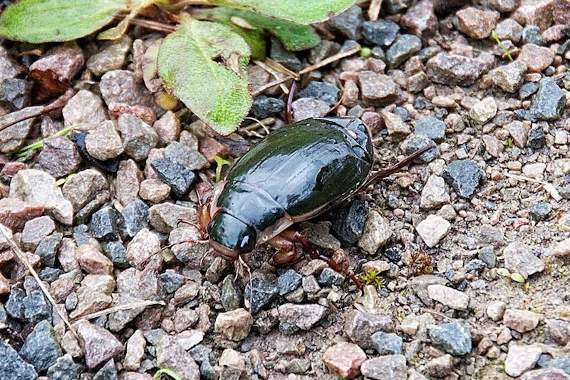
As the M4 relief road public events continue, a rare glimpse of a King Diving Beetle at Magor Marsh highlights the incredible value of Magor Marsh and the Gwent Levels for wildlife.
This rare sighting of one of the UK’s largest beetles is hugely significant with the Gwent Levels population being the only known in Wales, with most records coming from Gwent Wildlife Trust’s (GWT) Magor Marsh Nature Reserve. Magor Marsh is known as one of the best sites in the UK for its diversity of water beetle species as Gwent’s invertebrate specialist Mike Kilner said: “Any sighting is considered highly significant as there have been no more than 12 sightings ever in Wales.”
The recent sighting was captured by volunteer and keen photographer David Sankson. GWT hopes that aquatic invertebrates and plants will continue to thrive at Magor Marsh but elsewhere, the greatest threat to this species is posed by the conversion of grazing fen to arable land and an increasing lack of field ditch management.


Careful maintenance of ditch margins is vital to ensure that the wildlife-rich interface between water, land and air continues to feed, protect and nourish the resident wildlife.
GWTs Gwent Level’s living landscape manager, Gemma Bodé, said: “This sighting underlines the incredible rich biodiversity of the Gwent Levels and why Gwent Wildlife Trust will stand up and defend it when under threat from proposals such as the new M4 motorway that will pass within metres of our Magor Marsh Nature Reserve.”
Julian Vallance
(Natural Resources Wales)
Comments
This article has no comments yet. Be the first to leave a comment.