
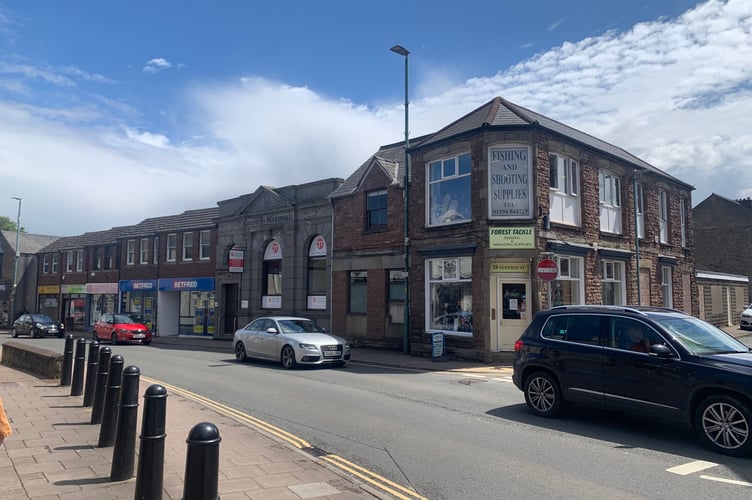
Concerns are growing that towns and villages in the Forest of Dean are turning into “commuter dormitories” as rising house prices and increasing traffic congestion follow the removal of Severn crossing tolls. Civic leaders say the area has experienced an “influx of Bristolians” attracted by lower house prices, relocating to the Forest while commuting back to Bristol for work.
According to the Office for National Statistics, the average house price in December was £353,000 in Bristol compared with £299,000 in the Forest of Dean. With the Severn tolls abolished in 2018, cheaper housing has made the Forest an appealing choice for many commuters. However, this shift has contributed to worsening congestion on the A48 and A40 as more motorists travel out of the district for work.
Council leaders hope economic growth within the Forest will reduce dependence on out-of-area employment. Yet critics argue the district council’s new local plan — which outlines where development should occur over the next 20 years — will worsen the commuter trend. The draft plan proposes 1,700 new homes in Lydney by 2041, 600 at Beachley Barracks near Chepstow, and around 410 more in Tutshill and Sedbury. In the north, it includes a new 3,500‑home town near M50 junction 2 at Glynchbrook and 2,000 additional homes off the A40 at Churcham.


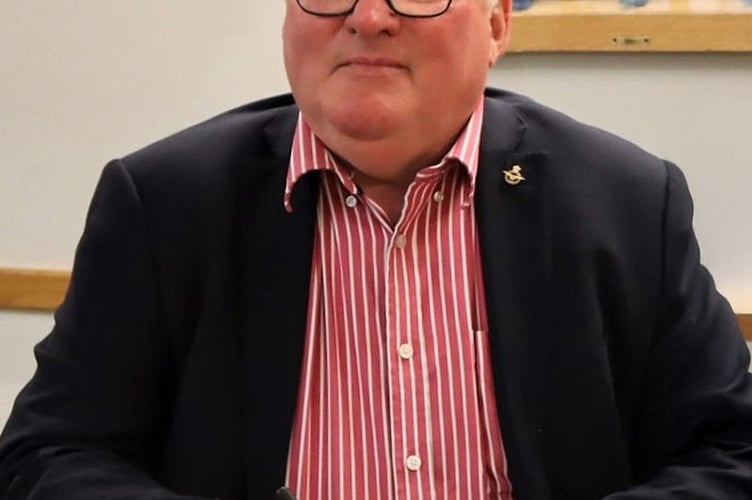
Councillor Alan Preest (R), representing Lydney East, says he has witnessed significant demographic changes and is concerned about the strain on local services. He acknowledges why many Bristolians have moved to Lydney — lower prices, no bridge tolls, and a relatively straightforward commute — but argues more should have been done to support younger people with local ties in accessing affordable housing. He says new residents quickly discover that the area, though rural, lacks key infrastructure and has limited primary school places.
Cllr Preest also highlights “highway inadequacies” and the loss of Lydney’s hospital in May 2024. He describes Oakdale as an isolated housing estate with no nearby shops, infrequent buses, and no safe walking route to Lydney railway station or the industrial estate. He criticises past planning decisions, including the rejection of potential developments such as an Asda or Aldi that he believes would have created jobs and revitalised the nearby industrial estate.
County Councillor Piers Camp (R), representing Drybrook and Lydbrook, argues that planning policy should “put Foresters first,” rather than accommodating spillover from urban areas. While emphasising that newcomers are welcome, he warns that large-scale development aimed at external demand risks turning villages into commuter settlements, increasing pressure on local services and pricing out young families.
District Council leader Adrian Birch (G, Tidenham) expects many residents of Lydney’s new estates to continue commuting to Bristol by car, worsening peak traffic in Chepstow. He supports creating a new transport hub in the south of the district to encourage rail travel to Bristol, Newport, and Cardiff. He also says a major upgrade or replacement for the Severn Tunnel, with direct Forest access, would help address misaligned train connections that currently deter rail commuters.
Comments
This article has no comments yet. Be the first to leave a comment.